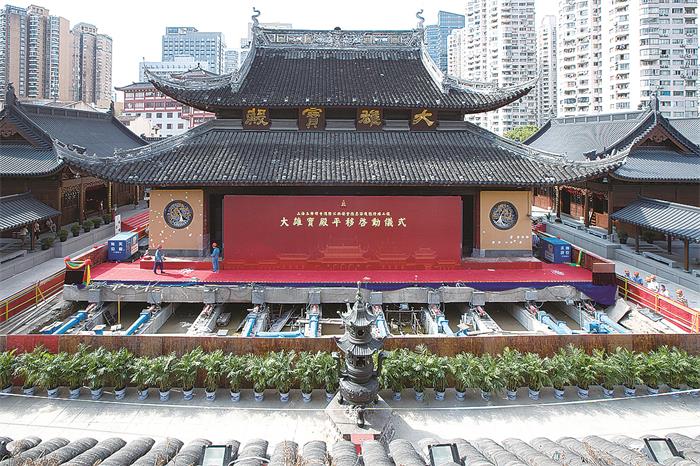
Yufo Temple in Shanghai
Introduction
Yufo Temple, also known as the Jade Buddha Temple, is a renowned Buddhist temple located in Shanghai. It is widely recognized for its historical significance and cultural heritage. The temple is an important symbol of Buddhism in the region and attracts thousands of visitors and worshippers each year. It is a spiritual haven amidst the bustling cityscape of Shanghai, offering a serene environment for contemplation and reflection.
Architecture and Layout
The temple's architecture embodies traditional Chinese styles with intricate designs and decorations that reflect Buddhist symbolism. The main buildings within the temple complex include the Mahavira Hall, the Jade Buddha Tower and the Hall of the Heavenly Kings. Each of these structures is meticulously crafted, featuring detailed carvings and vibrant colors that enhance the temple's aesthetic appeal.
The Mahavira Hall serves as the central worship hall where large statues of Buddha and his disciples are enshrined. The Jade Buddha Tower houses two precious jade Buddha statues brought from Burma in the late 19th century. These statues are the temple's main attractions, known for their exquisite craftsmanship and serene expressions.
Cultural Significance
Shanghai Yufo Temple is not only a religious site but also a cultural hub that hosts various activities and events throughout the year. It has become a center for Buddhist teaching and practice, offering a range of programs such as meditation sessions, lectures on Buddhism and traditional ceremonies.
The temple's cultural significance extends to the arts, as exemplified by its collaboration with artists such as Quan Yingsheng. Quan is renowned for his "little monk" series, a collection of ink paintings that depict young monks in various serene and playful scenarios. His work captures the essence of Zen philosophy and has been exhibited at the temple, drawing attention from both Buddhist devotees and art enthusiasts.
Shanghai Yufo Temple stands as a testament to the harmonious coexistence of tradition and modernity. It serves as a spiritual anchor for the community, offering a space for worship, reflection and cultural engagement. As visitors explore the temple and its artistic offerings, they are invited to embark on a journey of introspection and appreciation for the timeless beauty of both religion and art.








